

Antonio Landsberger
-
Posts
246 -
Joined
-
Last visited
7 Followers



.thumb.jpeg.48a6fdc44e48c98b8e1b507e86e57e95.jpeg)

Recent Profile Visitors
5,530 profile views





-
Auto Update Marionette as Object Node on Document open
Antonio Landsberger replied to LichtLukas's topic in Marionette
There are hooks in the SDK to do actions (onLoad, onSave, onClose, ...), but I'm pretty sure that Marionette has no access to these hooks and get triggered by any of these Vectorworks actions. To allow this in Marionette, a substantial wish would be required. @LichtLukas If you could list a number of useful use cases, which require this kind of functionality, this would certainly help a wish in this regard. -
It seems that the wish implementation has been scheduled. I cannot say for sure, but it's rather unlikely it will happen before Vectorworks 2026.
-
Vectorworks 2021 was shipped with Python 3.8.2.

-
Dropbox and Vectorworks Project Sharing Issue
Antonio Landsberger commented on JuanP's article in Tech Bulletins
There's an easy fix for this. Simply set the folder in which the project file resides to "Available offline". Then all files within this folder will always automatically inherit this property and always be available. -
multistory building vs. space number vs. me
Antonio Landsberger replied to Thomas K.'s topic in Vectorscript
@Thomas K. Are you really sure GetSpaceNumForObj is a valid VectorScript function? https://developer.vectorworks.net/index.php?title=VS:GetSpaceNumForObj I think this only exists as part of the worksheet functions: https://developer.vectorworks.net/index.php/Worksheet_Functions#Specialized_for_Space -
Create/define Layer Filters with scripts
Antonio Landsberger replied to Antonio Landsberger's topic in Vectorscript
@mjm@Thomas K.@Jesse Cogswell@Pat Stanford I just created an enhancement request and linked this forum entry. If you know ways to apply such scripts, please let us know here. I'd appreciate it. 🙂 -
Create/define Layer Filters with scripts
Antonio Landsberger replied to Antonio Landsberger's topic in Vectorscript
No need to worry about me. I've seen plenty of (my) wishes come to fruition over past four years - be it Marionette, IFC, BCF, worksheet, UI or data tag related. 🙂 -
Create/define Layer Filters with scripts
Antonio Landsberger replied to Antonio Landsberger's topic in Vectorscript
Pat, do you think, it would be worth the effort to submit an enhancement request? -
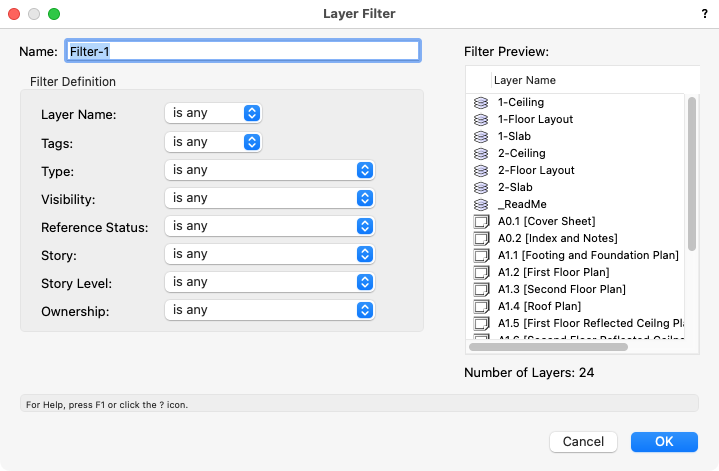
There is a way to use scripts to add tags to layers vs.SetObjectTags(objectHandle, arrTags) but is there a way to create and setup a layer filter (using such a tag or tags)? For different automatization scripts for design and sheet layers (check and do something depending on something else) it would be great, if there was a way to not only automatically set certain tags, but to also setup an appropriate filter using those tags.
-
Moving items without breaking viewports
Antonio Landsberger replied to RussU's topic in General Discussion
Center Drawing on Internal Origin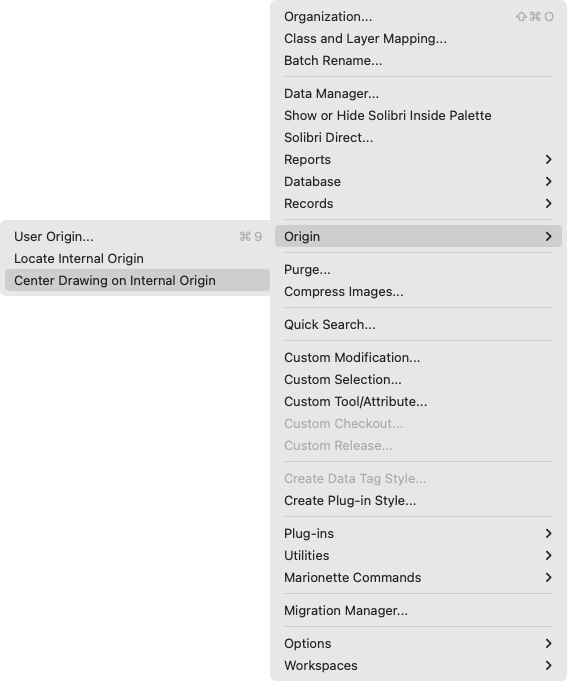
-
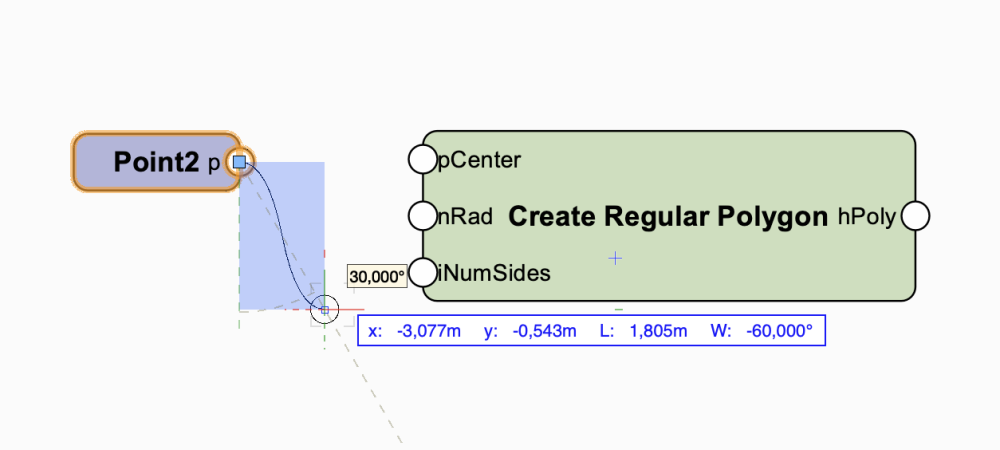
Hi @Juha Tuomimaki, Welcome to the Vectorworks forum and Marionette in particular. The behaviour of nodes and their connections you show and describe is definitely not normal or usual. In fact, I cannot remember ever having seen this with Marionette. And a quick search in the bug report system, reveals that this hasn't been reported either. Here's an image of what your situation should look like approximately: 0) Are you trying this in Top/Plan or a different view? 1) Does this happen in a new empty file as well? 2) Have you tried resetting your user folder? 3) Have you tried running the installation repair? Best regards, Antonio
-
 If any action in Vectorworks leads to a crash, please report it with Vectorworks or your distributor.
 -
The question is: why do you have input ports, that you don't need. Please show us an example network within a wrapper and the wrapper from the outside.
-
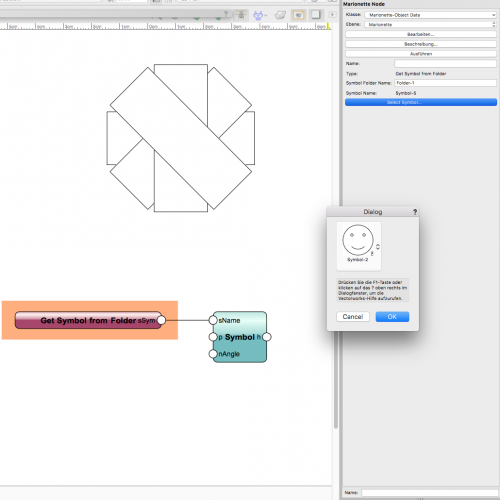
1. It does work. Just use the name of the folder you want the script to look for your symbols. 2. That's currently out of scope for this small node. I can put it on my todo list, but it doesn't have a high prio.
-
Hi @Jesse Cogswell Thank you for the information. This solution seems a bit convoluted, but I understand the theory behind it.